




Copper Prices Retreat - What It Means When You Choose Cable
Market update from Chatnow Technology
KEY PRICES
WHY IT MATTERS
Copper is the single largest cost component in most cables - often 60–80% of the raw material cost. When copper moves, cable prices follow. But price is only one factor.
Conductor quality - Bare copper, tinned copper, and recycled copper behave differently in conductivity, corrosion resistance, and service life. For safety-critical cables, conductor purity directly affects performance under heat.
Insulation & jacket - PVC, LSZH, silicone, XLPE, and TPE each serve different environments. LSZH is essential where smoke and halogen output must be controlled. Silicone is needed for high-temperature resistance.
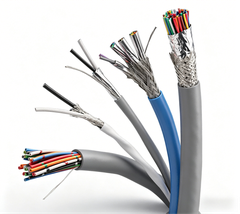
Shielding - For data, control, and instrumentation cables, shielding determines whether the signal survives electrical noise. Al/Mylar foil, braided copper, and drain wire configurations all affect performance differently.
Certifications - BS EN 50200, IEC 60332, UL, RoHS, and REACH are not marketing labels - they are test-verified performance guarantees. A cable without the right certification may not pass inspection on site.
Total cost, not unit price - A cheaper cable that fails early, fails inspection, or needs replacement costs more than a well-made cable. Consider service life, installation reliability, and compliance risk.
HOW WE HELP
We manufacture fire-resistant, shielded, and industrial cables in our own factory - conductor drawing, insulation, shielding, and jacketing all under one roof. When copper prices move, we work with customers on:
✅ Short-term price lock for confirmed orders
✅ Material optimization without compromising certification
✅ Custom conductor and jacket options to match your project requirements


