




 What Is a Control Cable?
A control cable is designed to carry control signals between equipment and systems, rather than supply high electrical power. It connects machines, panels, and controllers so that operations can be monitored, adjusted, and automated.
Compared with power cables, control cables are built with more focus on signal stability, accuracy, and resistance to interference, especially in industrial environments where electrical noise is common.
What Is a Control Cable Used For?
Control cables are used wherever stable signal transmission is required. Common applications include:
1. Industrial Automation
Connecting PLCs, sensors, and actuators on production lines to ensure smooth and accurate operation.
2. Manufacturing Equipment
Linking different machine components so they can work in sync and improve efficiency.
3. Power Distribution Systems
Used in control panels, switchgear, and substations to manage and monitor electrical systems safely.
4. Building Management Systems (BMS)
Supporting HVAC, lighting, fire alarm, and security systems in commercial and residential buildings.
5. Transportation Systems
Applied in railways, airports, and traffic systems for signaling and communication between control units.
Key Features of Control Cables
To perform reliably in real-world conditions, control cables typically include:
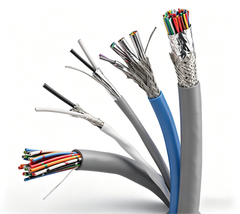
Multi-core design for transmitting multiple signals at once
Shielding (foil or braid) to reduce EMI interference
Flexible structure for easier installation
Flame-retardant or fire-resistant options for safety-critical use
Durable outer sheath (PVC, LSZH, PUR) for protection against environment and wear
Why Choosing the Right Control Cable Matters
The right cable directly affects how stable and reliable your system is. Using the wrong type - or low-quality products - can lead to:
Unstable signals or data loss
Equipment faults or unexpected downtime
Higher maintenance and replacement costs
For systems that need to run continuously, cable quality is not something to compromise on.
Industry Perspective
As automation and smart systems continue to expand, signal reliability is becoming just as important as power supply. Control cables are no longer just supporting components - they are part of the system's core performance.
At Chatnow Technology, we focus on delivering control cable solutions that meet real project demands - stable performance, compliant standards, and consistent quality for long-term use.