




1. Commercial Buildings
Commercial properties such as:
- Office buildings
- Shopping malls
- Hotels
- Exhibition centers
require comprehensive fire detection and alarm systems.
In these environments, fire alarm cables connect detectors, control panels, manual call points, and alarm devices. The cables must ensure stable signal transmission and maintain performance under fire conditions to allow safe evacuation.
Low Smoke Zero Halogen (LSZH) fire alarm cables are particularly preferred in commercial spaces due to their reduced smoke emission and improved safety performance.
2. Residential High-Rise Buildings
High-density residential buildings require reliable fire alarm systems to protect occupants.
Fire alarm cables in these projects are typically installed in:
- Alarm circuits
- Smoke and heat detector systems
- Emergency communication networks
Because evacuation time is critical in high-rise buildings, fire-resistant cables that maintain circuit integrity during fire exposure are essential.
3. Hospitals and Healthcare Facilities
Hospitals demand extremely high safety standards due to the presence of vulnerable occupants and critical medical equipment.
Fire alarm cables in healthcare environments must offer:
- High reliability
- Stable signal transmission
- Low smoke and low toxicity
- Compliance with strict safety codes
Any failure in fire alarm systems can lead to severe consequences, making cable quality and certification crucial.
4. Industrial and Manufacturing Facilities
Factories and industrial plants often contain:
- Flammable materials
- Heavy machinery
- High-voltage equipment
- These environments present higher fire risks.
- Fire alarm cables used in industrial facilities must have:
- Enhanced shielding against electromagnetic interference
- Durable outer sheathing
- Resistance to mechanical stress
Shielded fire alarm cables are often selected in such scenarios to ensure stable signal performance.
5. Transportation Infrastructure
Airports, railway stations, metro systems, and tunnels require complex fire detection and evacuation systems.
- Fire alarm cables in transportation projects must meet:
- Strict fire resistance standards
- Long-distance signal stability
- Environmental durability
In tunnels and underground installations, LSZH fire alarm cables are commonly specified to minimize toxic smoke during emergencies.
6. Data Centers and Smart Buildings
Modern smart buildings and data centers integrate fire alarm systems with:
- Building Management Systems (BMS)
- Security monitoring systems
- Emergency communication platforms
- This integration requires cables with consistent electrical performance, proper shielding, and reliable structural design.
As smart infrastructure expands globally, demand for high-performance fire alarm cables continues to grow.
Choosing the Right Fire Alarm Cable Supplier
Selecting the appropriate fire alarm cable depends on the application environment, regulatory requirements, and system design.
At QianNuo (Chatnow Cable), we provide fire alarm cables designed for diverse project needs, featuring:
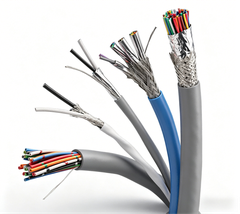
- High-purity copper or tinned copper conductors
- Twisted pair configurations for signal stability
- Optional aluminum foil shielding with drain wire
- Flame-retardant and LSZH outer sheath options
- Strict in-house quality inspection and testing
Our fire alarm cables are widely applied in commercial buildings, residential projects, industrial facilities, and infrastructure developments where safety and compliance are priorities.