




Do You Actually Need Fire Protection Cable for Fire Alarm Systems?
Published by Chatnow Technology · October 2026
Let's cut to the chase. If you're working on a fire alarm system-whether it's a small office, a high-rise apartment, a hospital, or a commercial warehouse-one of the most common questions I get from installers, building managers, and even other contractors is this: Do you actually need fire protection cable for these systems? I've been in the fire protection cable game long enough to see guys skip corners here, and those corners almost always come back to bite. This isn't just "code stuff" either; it's about keeping people safe when seconds matter.
So let's break it down-no boring jargon, just real talk from someone who sells Fire Fighting Cable and sees the good and bad choices made every day.
Why Regular Cable Doesn't Cut It
Fire alarm systems don't work if their wires get fried when a fire starts. That's the whole point, right? A regular old data cable or even a basic electrical wire will melt the second heat hits, take out communication between smoke detectors, pull stations, and the control panel-and suddenly you've got no alarm, no way to alert the fire department, no way for people to evacuate.
I've heard horror stories of buildings where installers thought "a wire's a wire" and ended up with systems that failed during actual fires. It's not worth it, full stop.
Not All Fire Cable Is the Same
Here's where things get tricky. Not all fire protection cable is the same, and not every part of a fire alarm setup needs the exact same cable. That's why I always tell folks to think about where the cable is running and what its job is.
The core rule: Fire alarm systems require continuous, reliable power and communication during a fire, not just before it starts. The cable has to hold up to extreme heat, sometimes for a set amount of time, so the system doesn't go dark when you need it most.
FPLR for General Runs, PH120 for Critical Paths
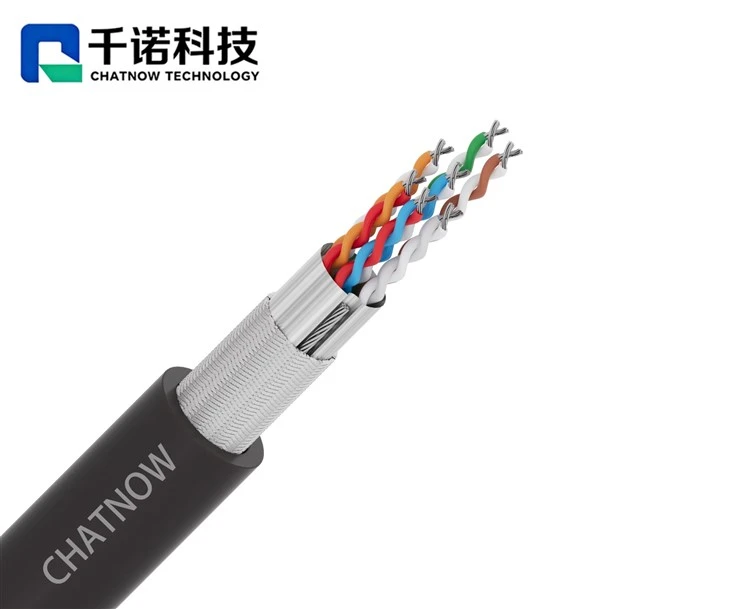
For most fire alarm circuits in commercial and residential buildings, you'll see Fire Alarm Cable (FPLR) 2–4 Core 1.0–2.5mm² Solid Shielded. This stuff is made for general fire alarm use-rated for limited fire exposure, enough to keep signals flowing through most typical building fires. Shielding matters here too-you don't want electrical interference from other building systems messing with alarm signals, especially in crowded spaces.
But what if you're running cable through areas that get really hot, like near kitchen exhausts, boiler rooms, or stairwells that are part of the evacuation route? That's where regular FPLR might not cut it.
Stairwells and egress paths are non-negotiable. The fire department relies on alarms going off in these areas, and if the cable running up the stairs burns through, you've got a huge problem. That's when you need fire-resistant cable with specific ratings. PH120 is a common rating, meaning the cable can withstand 120 minutes of direct fire exposure while still working.
Two top picks for that: Fire-resistant Cable PH120 4×1.0mm² Solid Shielded for smaller circuits, and Fire-resistant Cable PH120 3×1.5mm² Solid Shielded for higher-power setups, like systems that need to run notification appliances (horns, strobes) or connect to sprinkler controls. These are built to not just resist fire, but also keep working-so even if flames are licking at the cable, the alarm still sounds.
Don't Forget the Data Side: RS485
What about other components of the fire system? Say you're integrating fire alarms with a building automation system, or using RS485 for communication between devices. RS485 is super common for fire alarm networks, but it's not just any old network cable.
If you're running RS485 cable for fire alarm data, you need a shielded, fire-rated version that doesn't fail in a fire. That's why we stock RS485 Overall Shielded Cable 7×2×24AWG-it's made to carry steady data signals between fire devices without breaking down under heat. Skipping this and using a regular RS485 cable is a quick way to lose connectivity when a fire hits.
The Code Isn't Red Tape-It's Safety
A lot of people ask if this is just red tape. No, it's safety, pure and simple. NFPA 72 (the National Fire Alarm and Signaling Code) is the main standard here, and it's clear: fire alarm circuit conductors must be installed such that they remain operational during a fire for the required time.
That time varies by building type-high-rises need longer fire resistance because evacuation takes longer, while small retail shops might have shorter requirements, but still need compliance. If you cut corners on cable, you're not just risking fines-you're risking lives. I've seen a building inspector fine a contractor $10k for using regular THHN wire in a stairwell fire alarm run, and that's a cost way bigger than the difference between good cable and cheap cable.
Match the Cable to the Application
It's not just about buying any "fire cable." It's about matching the cable to the application. I've had guys come in and ask for the most expensive fire-resistant cable for a small office run that only needs basic FPLR-that's overkill. But I've also had guys ask if they can use FPLR in a boiler room, and that's a mistake. The cable won't hold up to the intense heat in that area, no matter what the code says.
So take the time to map out your runs: Where is the cable going? What's nearby it (heat sources, flammable materials)? How long does it need to keep working during a fire? That's how you pick the right cable, not just guess.
Can You Reuse Existing Cable?
Another common question: Can I reuse existing cable when upgrading a fire alarm system? I get that too, especially in older buildings where pulling new cable is a nightmare. The short answer? Only if that existing cable is rated for fire protection and in good shape.
A lot of old cable from the 70s and 80s was never made to withstand fire-its insulation could be brittle, frayed, or have a lower heat rating. If you're retrofitting, get the existing cable tested if you're not sure, or plan to pull the right kind of fire protection cable. It's worth the extra half-day of work to not end up with a system that doesn't work when you need it.
A Real Example
Last year, I worked with a small apartment complex in a mid-sized city. Their old fire alarm system had been there for 15 years, and when they tested it, half the signals from the upper floors didn't reach the control panel. Turns out the installer back in the day used regular communications cable instead of fire-rated cable for the riser run up the building.
When the city inspector came, they had to rip out all that cable and replace it with PH120 fire-resistant cable, plus add new shielded RS485 cable for the network. The total cost? Way more than if they'd just installed the right cable 15 years prior. That's the kind of avoidable headache I see all the time because people skip on fire protection cable.
Myths to Ignore
🔹 Myth #1: "Plenum-rated cable is the same as fire protection cable." No-plenum-rated is for air handling spaces, it resists smoke emission but not direct fire exposure. Big difference.
🔹 Myth #2: "All fire alarm cable is fire-resistant." Nope-some FPLR is just fire-retardant, meaning it slows fire spread but doesn't keep working when exposed to high heat. For critical runs like stairwells, egress, or control panels, you need fire-resistant, not just fire-retardant.
🔹 Myth #3: "I can get away with cheaper cable." Like I said earlier-fines, failed tests, unsafe systems. It's never worth saving a few bucks.
Final Thoughts
At the end of the day, fire protection cable isn't just a component of a fire alarm system-it's the lifeline that keeps the system working when every other part of the building is in chaos. If you're installing, upgrading, or maintaining a fire alarm system, don't cut corners here.
Take the time to figure out what cable you need for each run, match it to the application, and follow the codes. If you're not sure what kind of cable to get-whether it's FPLR for a small office or PH120 for a high-rise-feel free to reach out. We've got what you need, and we can help you pick the right one for your project.
Oh, and one last thing: When you're ordering, make sure you get cable that's certified. Look for listings from Underwriters Laboratories (UL) or another reputable organization. There's a lot of cheap, uncertified cable out there that says it's fire-resistant but doesn't hold up to actual testing. Don't risk it-go with trusted, certified cable from a supplier that knows fire safety, not just generic cable.

References
National Fire Protection Association. (2022). NFPA 72: National Fire Alarm and Signaling Code.
Underwriters Laboratories. (2023). Standard for Fire-Resistant Cables (UL 2196).
International Code Council. (2021). International Building Code (IBC) Chapter 9: Fire Protection Systems.
Chatnow Technology · UL/CE certified cable manufacturer · Fire-resistant, control, and communication cables