





What Is a Low Voltage Cable?
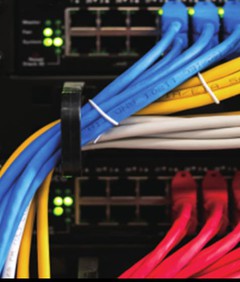
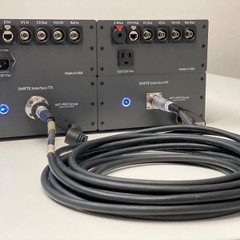
A low voltage cable is designed to transmit electrical power or communication signals at voltages typically up to 1,000 V AC or 1,500 V DC. These cables are widely used in commercial buildings, factories, transportation systems, energy facilities, and smart infrastructure.
Common types include:
- Control Cables
- Data Communication Cables
- RS232, RS422, and RS485 Cables
- PROFIBUS and CAN Bus Cables
- Fire Alarm Cables
- Instrumentation Cables
- Security System Cables
- Building Automation (BMS) Cables
- Ethernet and Industrial Network Cables
1. Identify Your Application
The first step is understanding where the cable will be used.
Different applications require different cable designs.
| Application | Recommended Cable Type |
|---|---|
| Industrial Automation | RS485, PROFIBUS, Control Cable |
| Fire Alarm Systems | Fire Alarm Cable |
| Security & CCTV | Alarm Cable, Data Cable |
| Building Management | KNX, RS485, BMS Cable |
| Instrumentation | Shielded Instrumentation Cable |
| Machine Control | Flexible Control Cable |
| Power Distribution | Low Voltage Power Cable |
Selecting the correct cable for the intended application improves system reliability and service life.
2. Choose the Right Conductor
The conductor directly affects electrical performance.
Common options include:
- Bare Copper
- Tinned Copper
- Solid Conductors
- Stranded Conductors
Stranded conductors are ideal for flexible installations, while solid conductors are commonly used in fixed wiring.
3. Select the Appropriate Conductor Size
Cable size should be based on:
- Current carrying capacity
- Voltage drop
- Transmission distance
- Equipment requirements
- Installation standards
Using an undersized cable may result in overheating, voltage loss, and reduced equipment performance.
4. Determine the Number of Cores
Different devices require different conductor counts.
Typical configurations include:
- 2 Core
- 3 Core
- 4 Core
- 6 Core
- 8 Core
- Multi-Core
Always verify the equipment's wiring requirements before selecting a cable.
5. Decide Whether Shielding Is Required
Industrial environments often contain electromagnetic interference (EMI).
For communication and control applications, shielded cables are highly recommended.
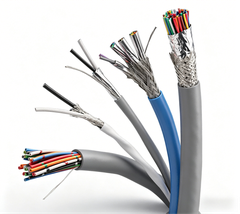
Shielding options include:
- Aluminum Foil Shield
- Copper Braid Shield
- Foil + Braid Shield
Shielding helps maintain signal integrity and reduces communication errors.
6. Select the Proper Jacket Material
The outer jacket protects the cable from environmental conditions.
Common materials include:
PVC
- Economical
- Good flexibility
- General indoor applications
LSZH (Low Smoke Zero Halogen)
- Low smoke emission
- Halogen-free
- Ideal for public buildings and transportation
PUR
- Excellent abrasion resistance
- Oil resistant
- Suitable for industrial machinery
TPU
- High flexibility
- Excellent wear resistance
- Ideal for robotic and moving equipment
Why Choose Our Low Voltage Cables?
We specialize in manufacturing high-quality low voltage cables for industrial and commercial applications.
Our product range includes:
- RS232, RS422 & RS485 Communication Cables
- PROFIBUS & CAN Bus Cables
- Fire Alarm Cables
- Control Cables
- Instrumentation Cables
- Hybrid Fiber Optic Cables
- Armored Cables
- Custom OEM Communication Cables
Our advantages:
- Over 20 years of manufacturing experience
- Premium copper conductors
- Excellent shielding performance
- OEM & ODM services
- Small MOQ
- Competitive factory pricing
- Strict quality control
- Fast global delivery